Meteoric Games / Lead Developer (2013-2015)
Project Paragon
Paragon was an indie sandbox space sim set in an alternative future heavily inspired by classic 80s sci-fi. Fight, trade and explore in a massive procedurally generated galaxy of millions of planets and stars. Amass money and power, upgrade and purchase new ships, and one day create your own small fleet with a base to call home.
Paragon is written in C/C++ and Lua. Powered by OpenGL and targeting Windows, Linux and OSX.
Main development solutions and tools:
- Visual Studio 2013, GCC/Make and XCode
- Git for source management, github for project management
- Python and bash for tooling and automation
- gDebugger and GPU PerfStudio for graphics debugging/profiling.
- OpenGL, Lua C API full integration, GLSL, assimp and sigc++
During my time with Meteoric Games I led the development of Paragon, after being greenlit on Steam. After I left Meteoric, Paragon was renamed Jumpdrive due to Epic releasing a game with the same name.
Paragon was unique in that all its code had to be re-released back to the opensource community as it started as a fork of an opensource game called Pioneer. Here are the commits of the github fork we used as our release channel back to Pioneer, you can see my contributions there (user: Salwan).
Paragon was a super interesting project for me due to the following:
- based on an open-source game called Pioneer, which means all the work I did for Paragon had to be released back to Pioneer as opensource
- Massive open universe game with procedurally generated planets, biomes, stars, and gameplay events
- C++/OpenGL 3 custom graphics and physics engine
- Lua integration as the game's scripting language of choice
- Super passionate community surrounding the game
Unfortunately I had to leave Meteoric Games earlier than I hoped due to moving internationally.
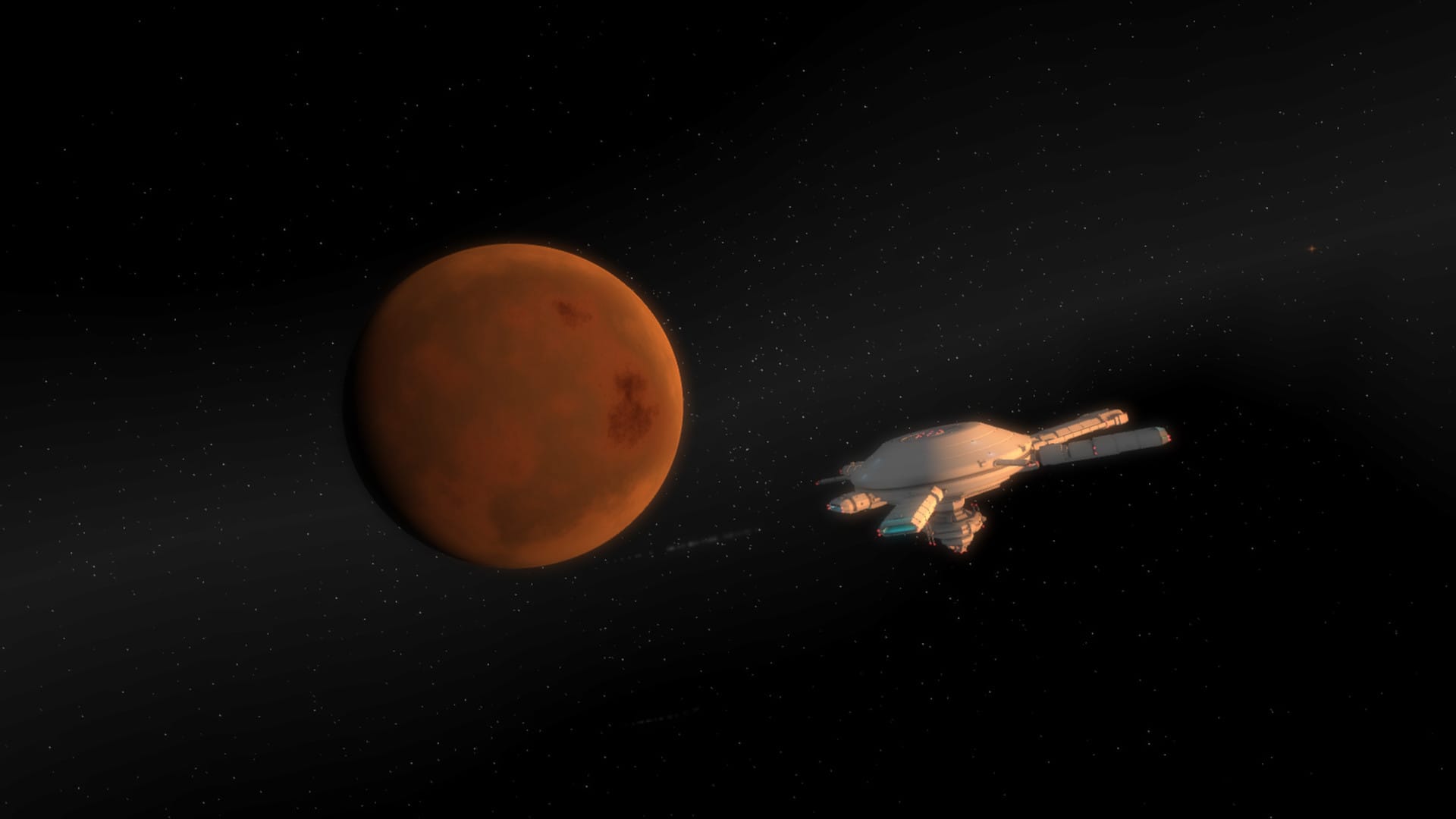
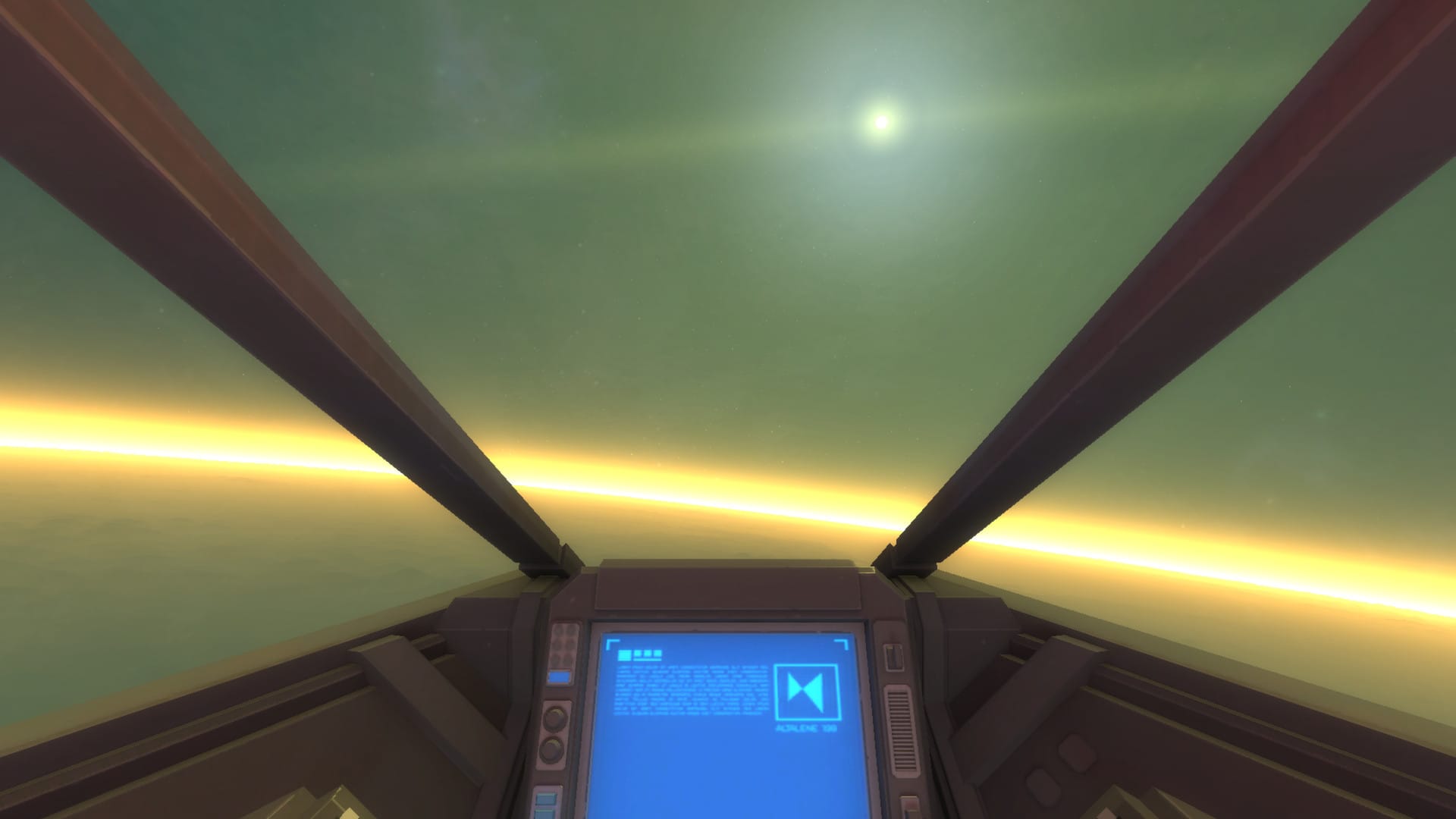
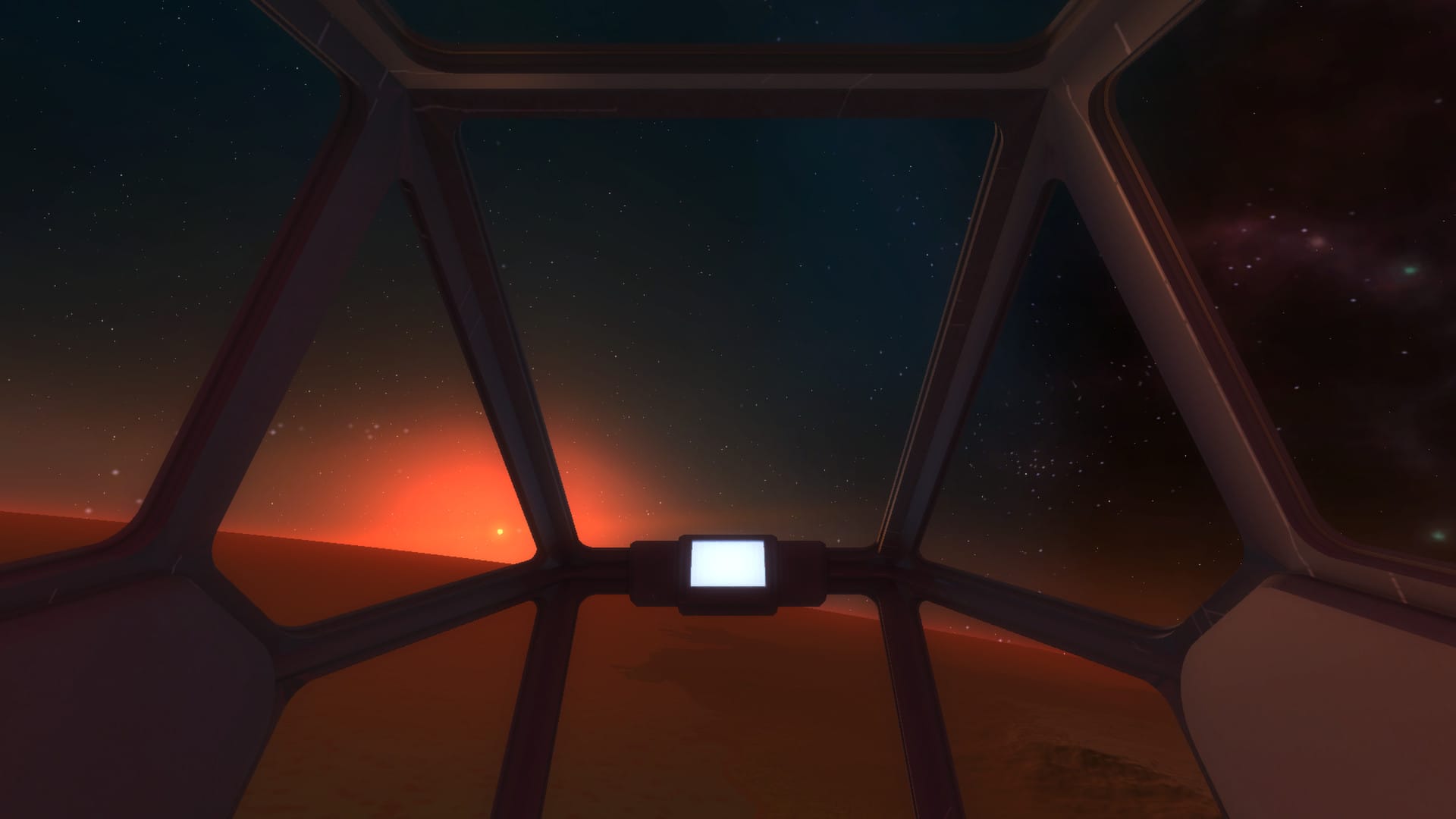
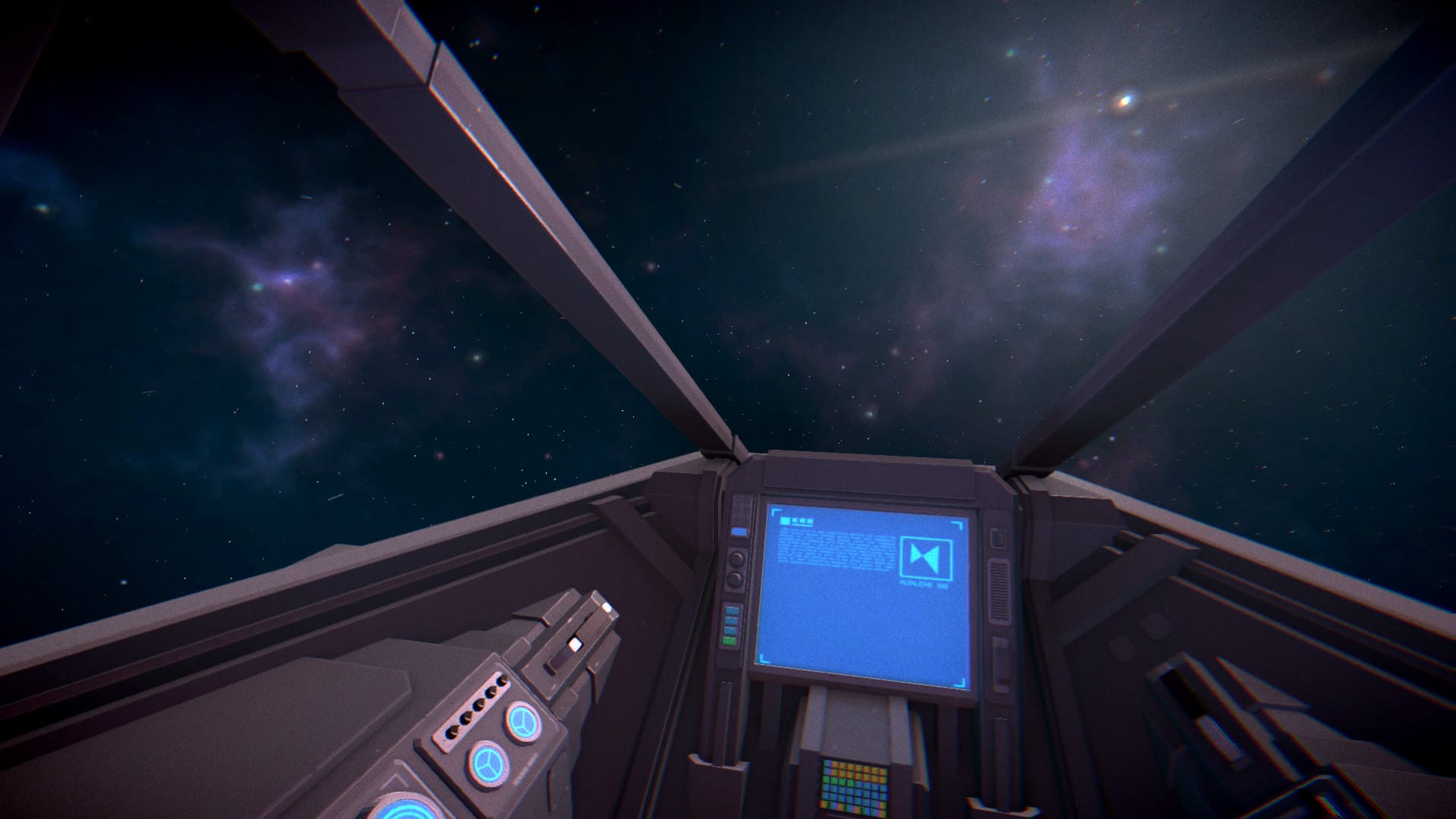
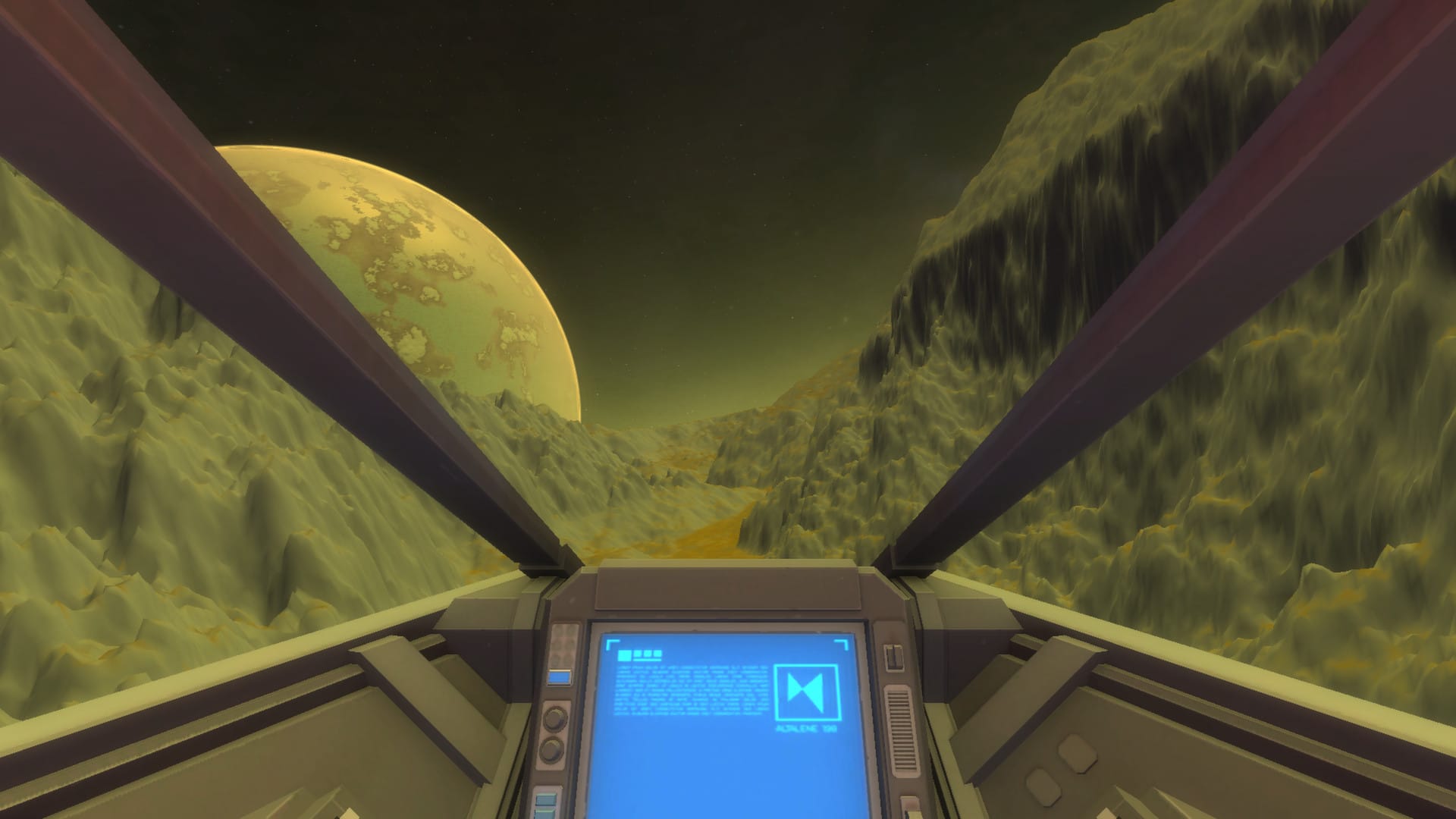
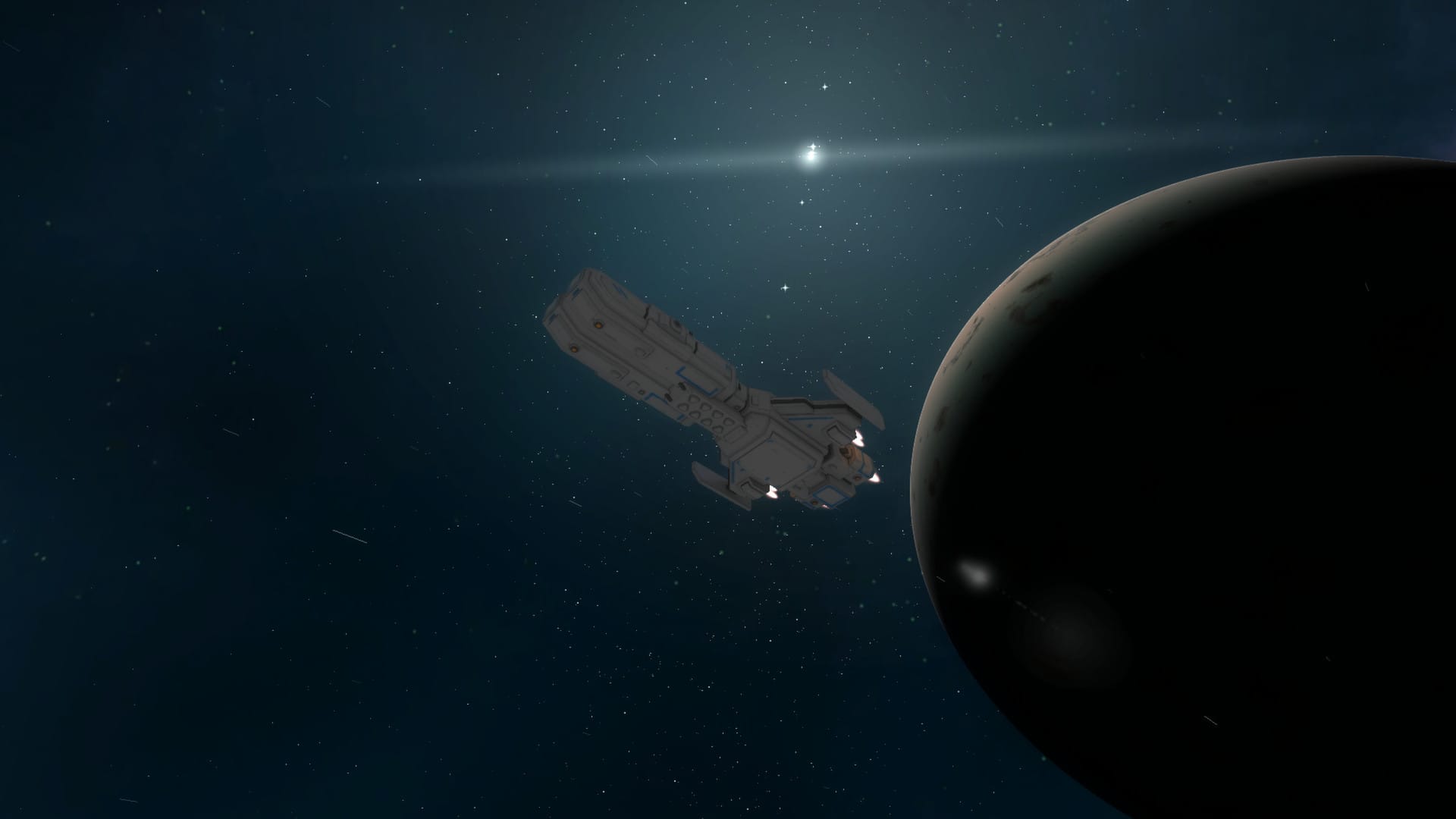
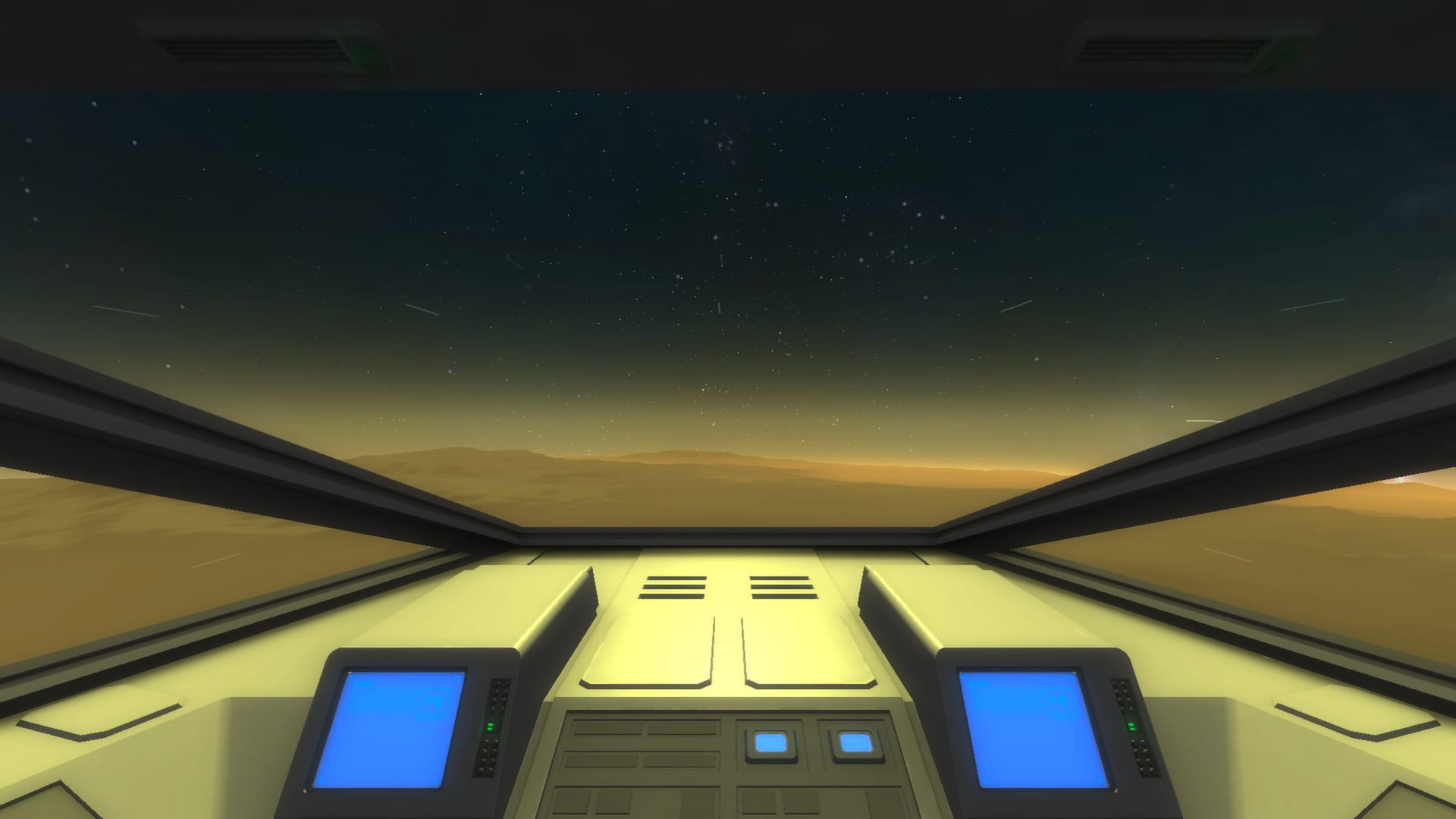
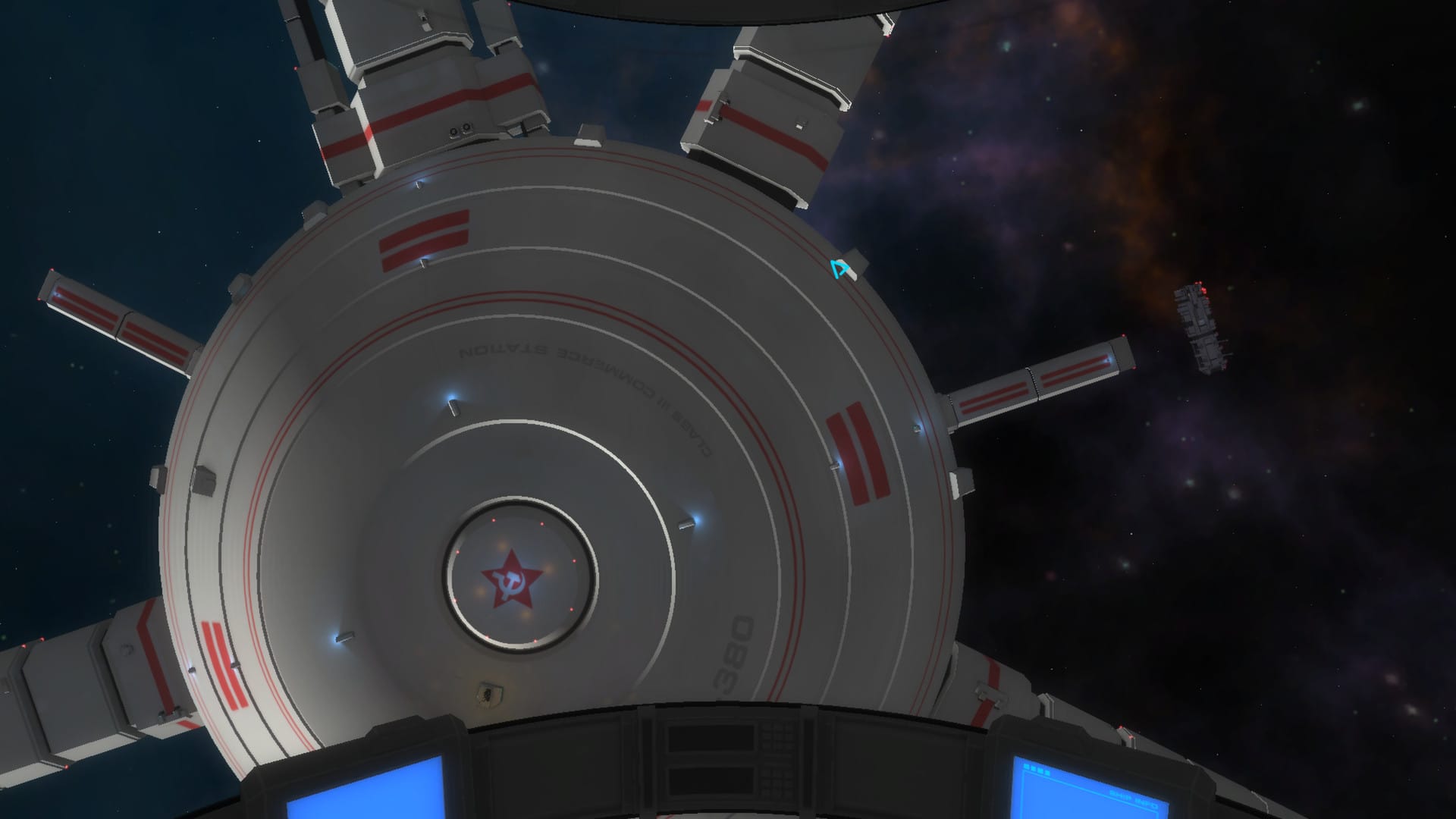
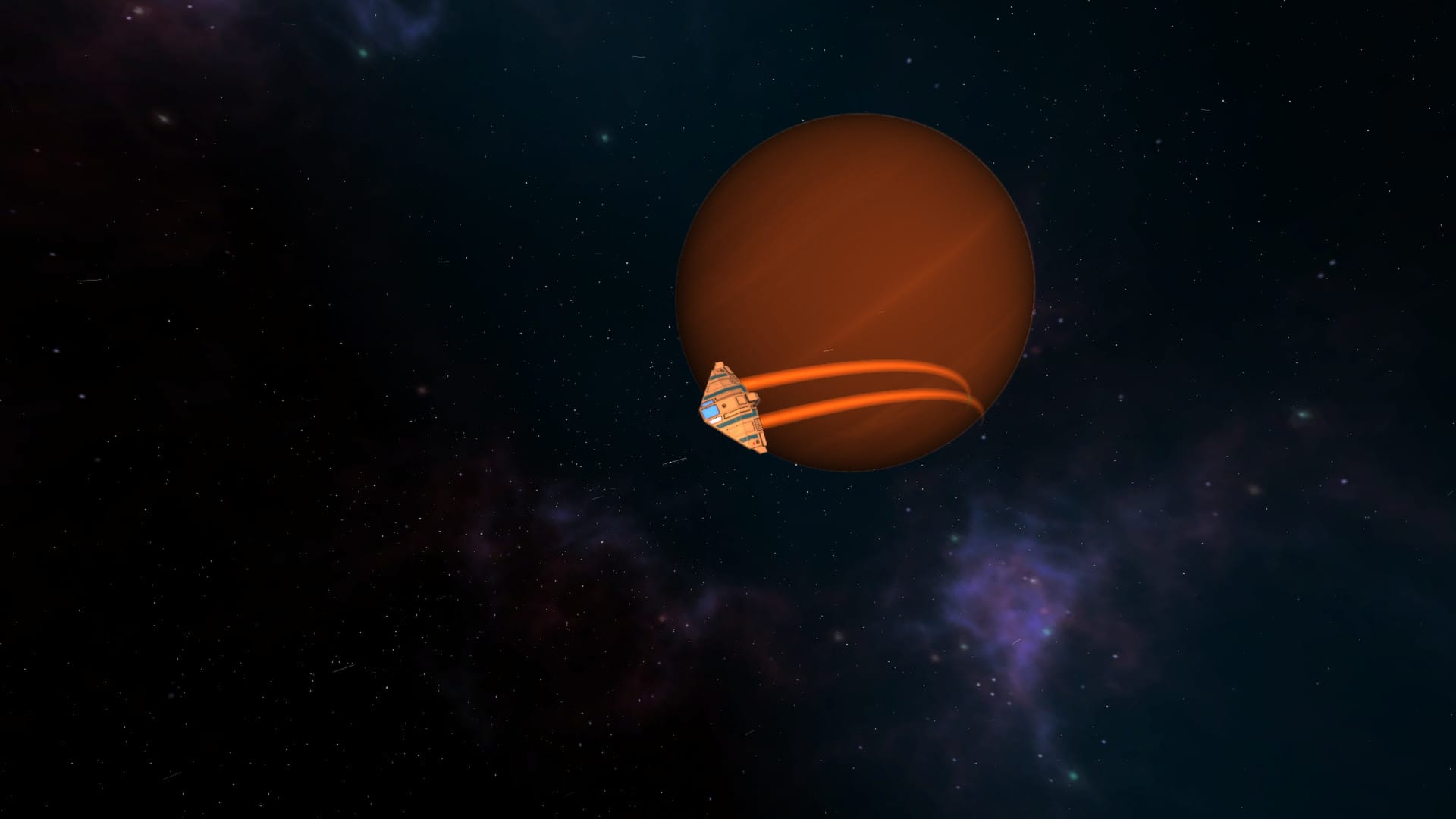
Some highlights from my experience working on Paragon:
- Upgraded the graphics engine from OpenGL 2.0 to OpenGL 3
- Ported the game to MacOS and Linux native
- Developed an IBL lighting system and most of the effects you see in the screenshots
- Expanded Lua integration, re-wrote parts of the AI, the input system, expanded procedural mission generation, and lots more
- managed build and deployment to Steamworks for several months including community communication